Place
Where did the routine happen? Weather, transport, architecture, and household space can all alter the meaning of a simple action.
Veneran collects reflective stories about work, movement, rest, food, and connection while keeping each account in its own context.
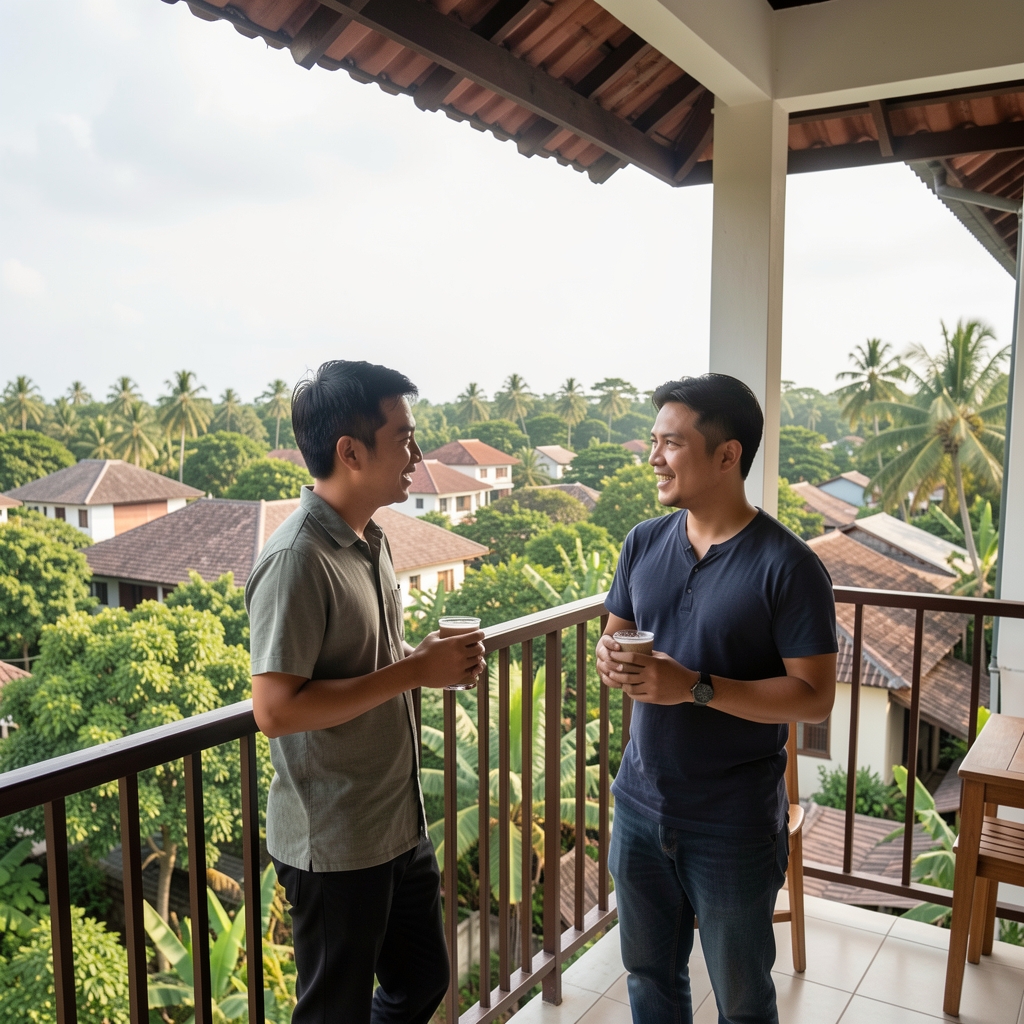
A useful story does not pretend to represent everyone. It describes a setting, a decision, a difficulty, and what the writer learned from paying attention. The detail may be a bus stop, an office break, a family meal, or a route through a neighbourhood. Such details give readers a way to compare contexts without turning a personal account into a promise.
Where did the routine happen? Weather, transport, architecture, and household space can all alter the meaning of a simple action.
What shifted in the schedule or environment? Stories become clearer when the change is described rather than dramatised.
What remains uncertain? A thoughtful ending can name what the writer would observe next instead of forcing a conclusion.

One contributor described leaving a busy office in South Jakarta, changing from a crowded road to a quieter footpath, and noticing how the transition affected the rest of the evening. The story was not about a perfect schedule. It was about learning which part of the route created enough distance from work to make the next conversation easier.
That distinction matters. A personal account can offer language for observation without becoming a direction for strangers. Veneran edits for clarity, consent, privacy, and context, and removes details that could identify a person without permission.
| Element | Question | Editorial care |
|---|---|---|
| Setting | What surrounds the action? | Describe without exposing private locations. |
| Voice | Who is speaking? | Keep attribution accurate and consent current. |
| Lesson | What did the writer notice? | Avoid extending one experience into a universal claim. |
| Images | What does the photograph reveal? | Use descriptive captions and permission where needed. |
“A pause can be a place, not just a gap in the calendar.”
“The useful detail was the shaded route between two obligations.”
“I kept the routine because it fitted the household, not because it looked impressive.”
Submissions may be edited for length, clarity, accessibility, and privacy. Publication is not automatic, and Veneran will not present a personal story as professional guidance.
Contact the editorial deskStories are reviewed with care because ordinary details can identify a person when combined. Names, workplaces, routes, household information, and dates may be changed or removed when the editorial purpose can be preserved without them. A contributor can withdraw permission before publication, and published material can be reviewed when circumstances change.
Veneran also distinguishes a contributor’s voice from the editor’s framing. Editing may improve structure, spelling, translation, or accessibility, but it should not create a statement the contributor did not intend. Readers who recognise a privacy concern can contact the editorial desk with the page and passage, without sending additional private details.