Light
Notice how bright screens, overhead lamps, and outdoor lighting affect the last part of the evening. Lower, warmer light can make the transition visually distinct.
A practical editorial guide to light, timing, environment, and the small transitions that help a busy day become quieter.
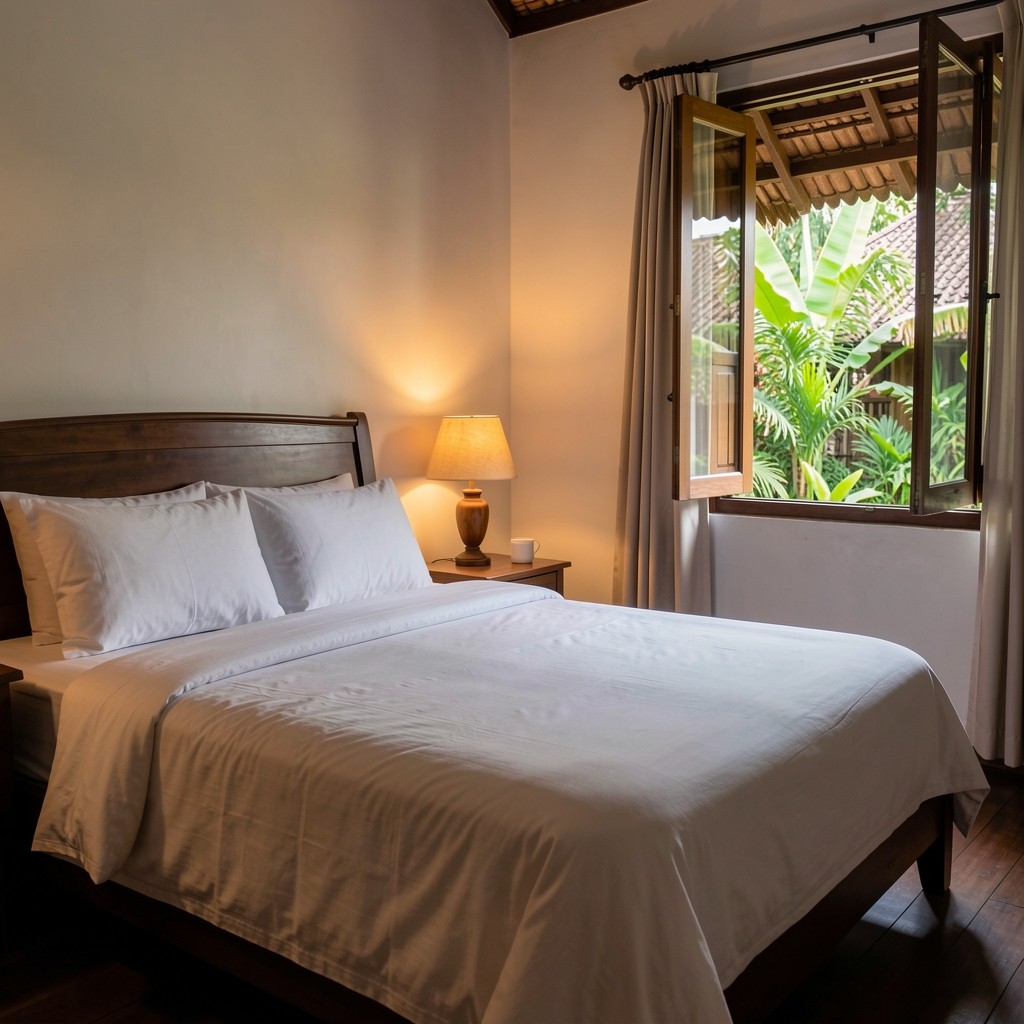
Sleep is not an isolated appointment. Work messages, late meals, household noise, temperature, light, and unfinished decisions can all remain present after the day is technically over. A useful evening routine does not need to be elaborate. It creates a recognisable sequence that reduces unnecessary decisions and leaves space for the body and attention to slow at their own pace.
Notice how bright screens, overhead lamps, and outdoor lighting affect the last part of the evening. Lower, warmer light can make the transition visually distinct.
Regularity is often easier when the routine is tied to an existing cue: closing a laptop, washing dishes, or preparing clothes for the next morning.
Temperature, airflow, clutter, and sound influence whether the bedroom communicates rest or unfinished work. Small environmental edits can be easier than ambitious schedules.
These are observations, not a required programme. The point is to learn which cues make the evening feel less crowded and which ones create additional pressure.
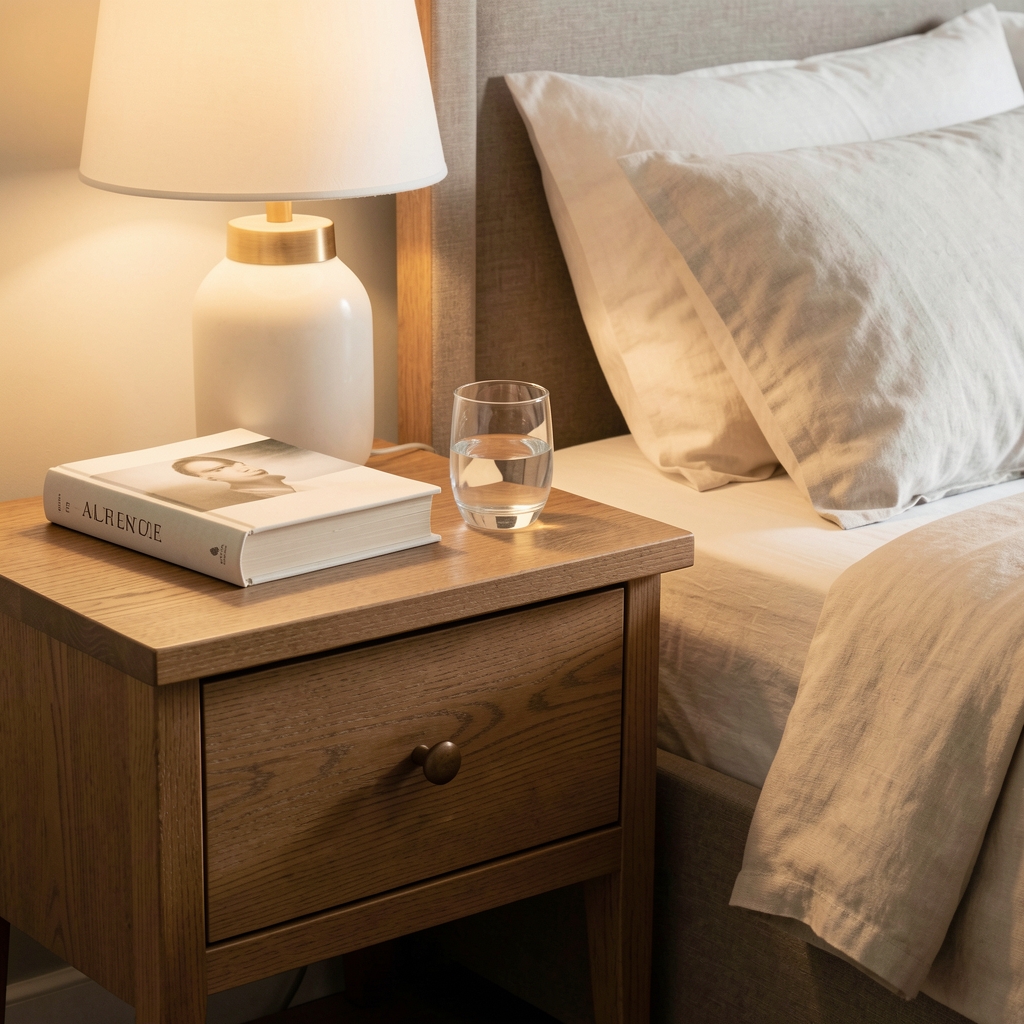
Many routines fail because they turn rest into another task to complete perfectly. A transition can be shorter on a busy night and longer when the day permits. If a child wakes, a neighbour is noisy, or work runs late, the useful response is to resume a calm sequence when possible rather than treating the interruption as a personal failure.
Consider separating preparation from stimulation. Pack a bag, set a room temperature, or write a short note earlier in the evening. Reserve the final minutes for actions that do not demand a public response or a difficult decision.
| Signal in the evening | Question to ask | Gentle experiment |
|---|---|---|
| Mind remains busy | Is there an unfinished decision? | Write the next step and a time to revisit it. |
| Room feels active | What belongs elsewhere? | Remove one work cue and soften one light source. |
| Routine feels rigid | Can it have a shorter version? | Create a three-step version for late nights. |
| Morning feels rushed | What can move earlier? | Prepare one item before the evening begins. |
No. A recognisable order can be more useful than a rigid clock. Work, family, prayer, travel, and social commitments may change the available window.
Focus on portable cues such as a lower lamp, a book, a short note, or a consistent closing action. Practical constraints are part of the design.
“The evening is not a test of discipline; it is a chance to make the next transition a little clearer.”— Veneran sleep editor
An evening routine should have a small version. If a late meeting, family responsibility, travel delay, or unexpected noise changes the plan, return to one familiar cue rather than rebuilding the entire sequence. A glass of water, a written note, a dimmed room, or a book can mark the transition. The value is in recognisable direction, not complexity.
It can also help to separate observation from judgment. Note what happened, what was within your control, and what you might adjust tomorrow. A single restless night does not need a dramatic explanation, and a quiet night does not need to become a new rule. This approach keeps the evening practical and leaves space for changing circumstances.